Choosing The Right Aluminium Garden Gates For Your Outdoor Space
The right set of aluminium garden gates can transform a garden entrance, providing a defined boundary that is both functional and visually appealing.
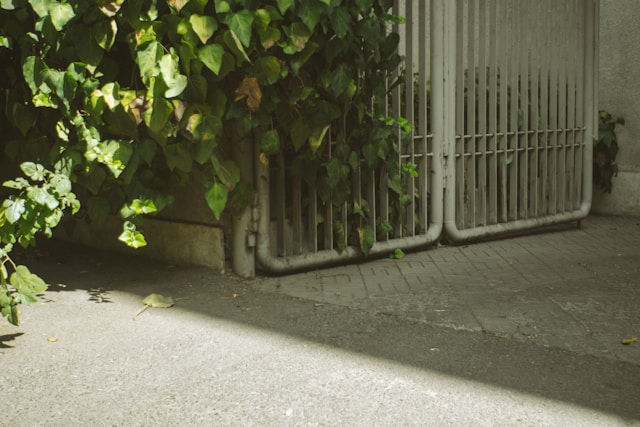
Whether you are enclosing a front garden, creating a separate seating area, or simply adding structure to an outdoor space, well-chosen garden gates make a lasting impression. Aluminium has become one of the most popular materials for this purpose due to its weather resistance, lightweight nature, and wide range of design options.
Understanding the Different Gate Styles: Garden gates come in a wide variety of styles, ranging from simple picket designs to more elaborate panel configurations. For a traditional garden setting, vertical bar gates with decorative arched tops or scrollwork can complement period-style planting and landscaping. For a more modern garden, clean-lined horizontal slat designs or frameless aluminium panels create a sleek and contemporary look. It is worth considering how the gate style will interact with the garden's existing features, including the fencing, walls, paving, and planting, to ensure a cohesive, well-considered overall appearance.
Sizing and Measuring Your Entrance: Getting the dimensions right is one of the most important steps in choosing a garden gate. Before requesting quotes or browsing product ranges, measure the exact width of the opening where the gate will be fitted, as well as the height required. Bear in mind that the ground clearance beneath the gate must allow it to swing open freely without catching on paving or gravel. If the ground is uneven, this may affect the type of gate and hinge system that is most appropriate. Many suppliers offer made-to-measure options for gates that need to fit non-standard openings.
Gate Posts and Ground Fixings: The structural performance of any garden gate depends significantly on the quality of its posts and fixings. Aluminium gate posts should be set in concrete to a sufficient depth to ensure stability, particularly for taller or heavier gates that exert greater leverage on the posts over time. For lightweight pedestrian gates in sheltered positions, surface-mounted post sockets may be suitable. Discuss the post and fixing options with your supplier to ensure the gate is installed in a way that will remain stable and correctly aligned for many years of regular daily use.
Adding Automation to Garden Gates: While automation is more commonly associated with large driveway gates, it is also possible to automate smaller aluminium garden gates with appropriate systems. Low-voltage swing gate motors are available for pedestrian gates, offering the convenience of keypad, remote, or intercom access. This can be particularly useful for properties where the gate is frequently used or where a hands-free option is desirable. Before committing to an automated system, ensure the gate and post installation is sufficiently robust to handle the additional mechanical components and the stresses of repeated automated operation.
Colour and Finish Choices: Aluminium garden gates can be powder-coated in a vast range of colours to match or contrast with the existing outdoor decor. The most popular choices tend to be classic shades such as black, anthracite grey, and white, as these work well with a wide variety of garden styles. However, bespoke colours are available from many manufacturers, making it possible to match the gate precisely to a painted fence, rendered wall, or specific design scheme. Powder-coated finishes are highly durable and resistant to chipping, fading, and corrosion when applied and cured correctly during the manufacturing process.
Maintenance and Long-Term Care: One of the key reasons homeowners choose aluminium garden gates is the minimal maintenance they require. Unlike wooden gates that need periodic sanding and treatment, or iron gates that must be repainted to prevent rust, aluminium gates simply need an occasional clean with soapy water to maintain their appearance. Over time, the hinges and any locking mechanisms may require a small amount of lubrication to ensure they continue to operate smoothly. Choosing gates with stainless steel hardware rather than zinc-alloy components will further improve long-term durability and reduce the frequency of maintenance tasks.