
Echidna: The Animal That Can Survive Fire
After a catastrophic blaze in eastern Australia a decade ago, it was noticed that the population of echidnas was unchanged from the numbers before the fire.
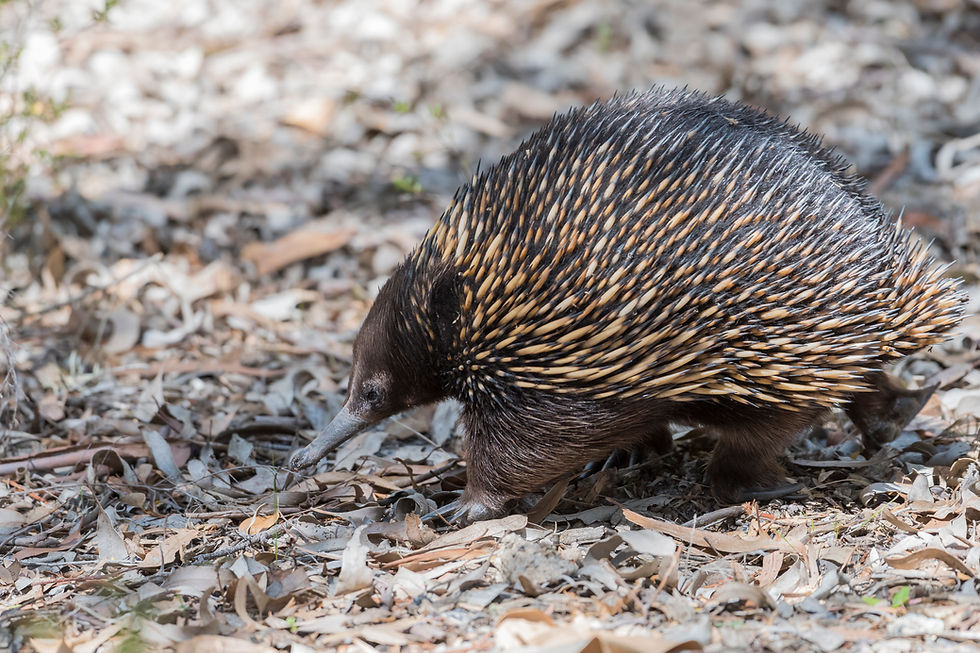
Echidnas are spiky and slow-moving mammals that have long or short beaks. They’re also known as spiny anteaters because like anteaters they lack teeth and rely on their long, sticky tongues to catch invertebrates. Superficially, they resemble the anteaters of South America and other spiny mammals such as hedgehogs and porcupines.
The trick the echidna, an Australian egg-laying mammal, employs to stay alive despite all around them being destroyed by a wildfire was only discovered in 2013. This prompted researchers to set a controlled burn of a small area where there was a known population of echidnas to watch what they did. Far from running from the flames, the animals found a safe haven - a hollow tree stump or an underground burrow - and went to sleep. Their body temperature dropped and they entered a state of hibernation called torpor.
Their low temperature made them slightly fire-retardant and the shelter kept them safe until the fire passed over. That wasn’t the end of the story, though. Rather than risk starvation, the clever echidnas stayed in their Sleeping Beauty state until the burnt vegetation regenerated and provided food again.
It is suggested that the echidna is named after a creature in Greek mythology, ekhidna, a half-woman, half-snake, which can be considered as having a blend of mammalian and reptilian characteristics. Along with platypuses, echidnas are monotremes (they lay eggs rather than bear live young) but they also have fur and produce milk.


