Sunny Saturday News
Celebrating the start of the weekend with a global collection of upbeat news stories.

What is Possible?
Allyson Felix - the most decorated U.S. track and field athlete in history - has announced that she’s unretiring at age 40 in the hope of competing in the 2028 Olympics. But the allure of representing Team USA in her hometown of Los Angeles isn’t the only thing drawing Felix back to the sprinting world. The 40-year-old track star and mom of two is also looking to answer the question: What is possible at this age? "I know in marathons and longer races, it’s more common to see older athletes. I wonder if it’s because it’s not possible, or because no one has tried it and pushed those limits.” Meanwhile, in another sport...

FIFA Halftime Show
FIFA has announced in an Instagram post that the first-ever halftime show to take place during the World Cup final will feature performances from Madonna, K-pop group BTS, and Shakira, who’s also behind this year’s official song. The stacked lineup is much more reminiscent of the Super Bowl halftime show than the traditional 15-minute break midway through a soccer game. With The Athletic reporting that FIFA plans to use the entire field at the MetLife Stadium for the interval show, it’s likely to last about double that time.

Illicit Whisky
Archaeologists in the Scottish Highlands discovered a fragment of copper with a spirited history. The piece belongs to a whisky still - a heating vessel used to distill the amber liquor - and it was found near a small stone hut called a bothy. Researchers think the site was once a secret whisky distillery, active after Scotland banned unlicensed private distillation in the 1780s. “In the early 19th century, illicit whisky distilling in these hills became a real battle of wits between excise [tax] officers and distillers,” says Derek Alexander, the National Trust for Scotland’s head of archaeology. “To find the remains of stills in these upland areas, you need to think like an excise officer. Those who distilled spirit in this bothy will have picked the location carefully to make sure they were well hidden.”

Vast Koala Refuge
New South Wales creates vast koala refuge after 13 years of campaigning. The Great Koala National Park will protect almost 5,000 sq. km (1,930 sq. miles) along Australia’s east coast by linking existing reserves with state forests and creating corridors through a landscape fragmented by logging, roads and development. Conservationists say the park should safeguard around 20 percent of NSW’s wild koalas, plus 66 other threatened animals and 37 threatened plant species.
How Much Would it Cost to Save Every Threatened Species in Australia? A group of concerned scientists have crunched the numbers and come up with a figure that would save all 1,700 threatened species.

Another Initiative
Extinct in the UK since the early 20th century due to land-use changes and habitat loss, the black-veined white butterfly is set for a return thanks to a reintroduction project. It's being organized at Britain’s most famous rewilding project on the Knepp Estate in West Sussex, where a struggling landowner turned his family’s failing 3,500 ancestral farm into one of the most biodiverse places in England. It's a fabulous, uplifting story of how a barren, lifeless, and over-farmed estate in southern England was transformed into a thriving landscape filled with an enormous variety of wildlife.

Balcony Solar
Colorado has just joined other states by legalising ‘balcony solar’ for apartments and renters. From 2027, utilities, landlords and homeowner associations will be restricted from blocking approved systems under 2 kilowatts. While small, these systems can be mounted on apartment balconies, patios and walls, opening rooftop-style solar access to millions of renters and multi-family households previously locked out of the energy transition. See: DIY Balcony Solar Set to Take USA by Storm.
“Politeness is the flower of humanity.” Joseph Joubert
On This Day
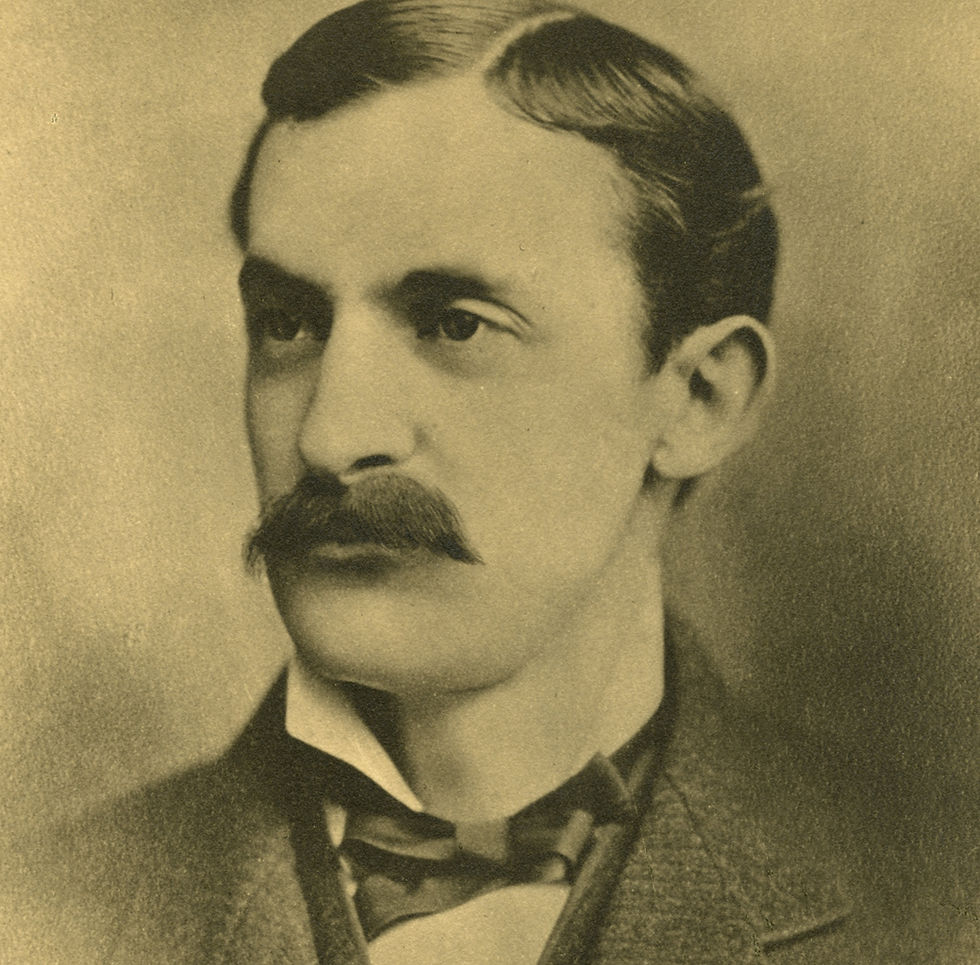
16 May 1876: Philadelphia pharmacist Charles E. Hires officially introduced "Hires Root Beer" to the public at the Centennial Exposition, the first official World's Fair in the United States. Initially marketing it as a temperance-friendly root tea, Hires gave away free samples to popularize the beverage, which was made from a mixture of herbs, roots, and berries. The success at the Exposition spurred the growth of the Charles E. Hires Company, making it one of the first widely popular, mass-produced root beers in the United States
Today's Articles
Incredibly Rare: In an act of motherly kindness, a polar bear (already with a cub of her own) decides to adopt another.
3,400 Years Old: A sharp-eyed dog walker made an extraordinary discovery when he found a Bronze Age axe head.
24/7 Solar Power: Amazingly, specially modified wood may be a way of both harvesting sunlight and storing it.
Mood Boosting Video
Soviet Era Bus Stops: Extraordinarily original little architectural gems that somehow escaped centralized supervision.