How to Stage an Awkward Living Room With Rental Pieces
Living rooms with unusual layouts can be difficult to style, especially when the space
includes narrow walkways, uneven wall placements, or architectural elements that
interrupt traditional furniture arrangements.
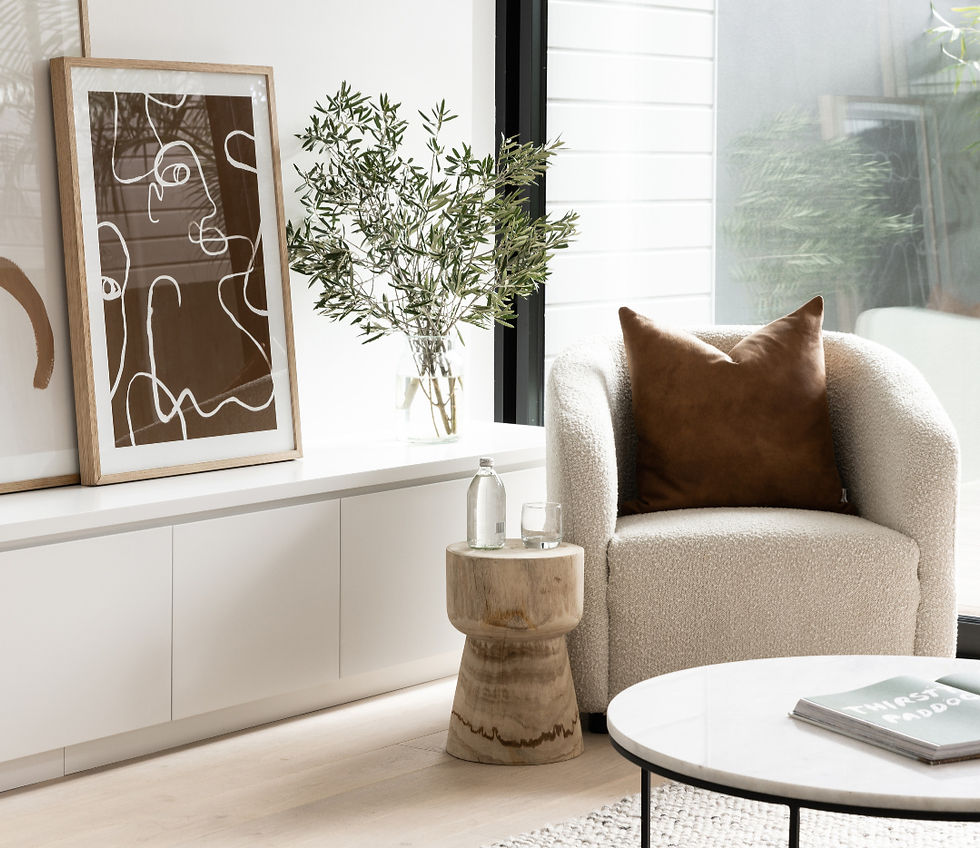
Rather than forcing the room to follow a conventional layout, effective staging works with the space’s natural structure. Carefully selected rental pieces allow homeowners and property sellers to experiment with scale, balance, and visual flow without committing to permanent furniture purchases. With the right strategy, even the most awkward living room can feel
purposeful, comfortable, and visually cohesive.
Use Furniture to Guide Movement: Rooms with awkward layouts often create confusing circulation paths. Furniture placement can be used strategically to direct how people move through the space. Professional staging frequently relies on the concept of circulation flow, which refers to the natural pathways people take when entering and moving through a room.
Poorly positioned furniture can block these paths, making the space feel cramped or
impractical. Instead of pushing furniture against every wall, floating key pieces slightly inward can help establish clear walkways. A sofa positioned perpendicular to a long wall, for example, can create a subtle corridor that guides movement around the seating area, and experimenting with arrangements through furniture rental for your home staging can make it easier to refine the layout without committing to permanent pieces. Rental pieces are ideal for testing these arrangements. Because the furniture is temporary, stylists can refine the layout until movement through the room feels natural and uninterrupted.
Balance Proportions to Correct Visual Imbalance: Awkward living rooms frequently suffer from disproportionate elements. Oversized walls, narrow corners, or unusually shaped alcoves can make furniture look either too large or too small within the space. Achieving visual harmony relies on the principle of proportion and scale, which ensures that furniture relates appropriately to the room’s dimensions. Large empty walls may benefit from a longer sofa or console, while tight corners are better suited to compact chairs or smaller side tables.
Rental furniture provides access to pieces of varying sizes, enabling stylists to correct
imbalances without purchasing new items. Testing different scales allows the room’s
proportions to feel more deliberate rather than accidental.
Create a Strong Focal Point: Without a focal point, awkward rooms often feel scattered and unfocused. Establishing one visual anchor helps unify the entire space. A focal point might be created using a large artwork, a statement coffee table, or a well-positioned sofa arrangement. The aim is to draw attention to one area so that other design elements naturally support it. Designers often rely on visual anchoring, closely aligned with the principle of emphasis in interior design, which stabilises the composition of a room by giving the eye a clear place to settle. Once this focal element is established, surrounding furniture can be
arranged to reinforce it. Rental pieces are particularly useful for achieving this effect because they allow experimentation with different centrepieces until the right visual balance is found.
Use Layering to Soften Unusual Layouts: Even when furniture placement improves the structure of a room, awkward layouts can still feel visually rigid. Introducing layered styling elements helps soften the space and add cohesion. This technique relies on interior layering, a design approach that combines furniture, textiles, and decorative elements to create depth and warmth. Rugs, cushions, throws, and lighting fixtures can visually connect separate zones within the room. Layering also helps disguise architectural quirks. A strategically placed rug can unify seating pieces that might otherwise appear disconnected, while floor lamps can fill
empty vertical space without requiring structural changes to the room. Because rental furniture often comes with coordinated styling options, it allows the entire arrangement to feel cohesive even when the room itself is unconventional.
Turning Difficult Layouts Into Design Opportunities: An awkward living room does not have to be a design limitation. In many cases, unusual layouts offer opportunities to create distinctive and thoughtfully arranged spaces. By defining zones, guiding movement, correcting proportions, and establishing strong focal points, rental furniture can transform confusing layouts into functional and inviting living areas. With a flexible approach and an understanding of core design principles, even challenging rooms can be staged in a way that highlights the property’s potential.