
Namibia to Conserve a Quarter of Its Country
Sparsely populated and rich in wildlife, this arid country has emerged as an oasis of community-led conservation that puts management in the hands of rural people.
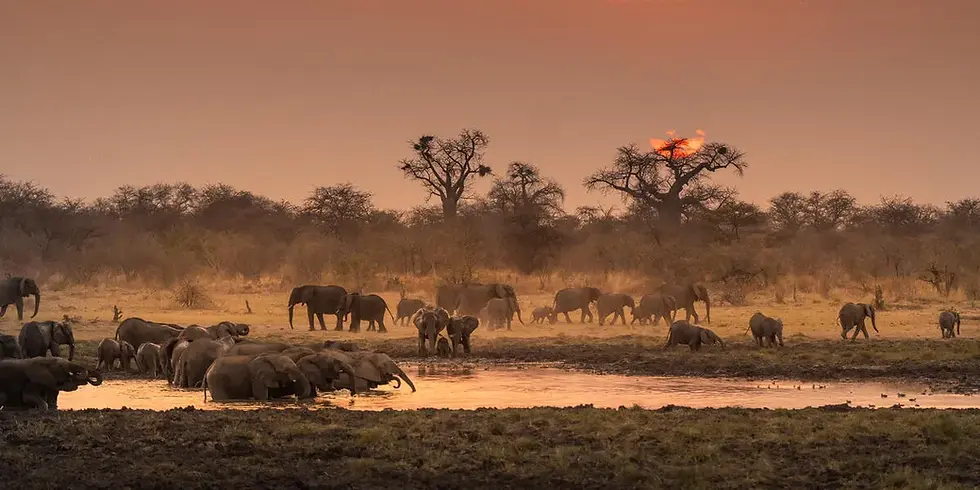
Namibia is a country of vast and dramatic landscapes, from the rocky outcrops of the Skeleton Coast to the white salt expanse of Etosha and the towering rust-red dunes of the Namib Sand Sea. Zebras graze among cows milked by Indigenous Herero women in bright cattle horn-shaped headdresses. Men from the San community draw on ancestral knowledge to monitor free-roaming rhinos.
The country has a long conservation history. At independence from South Africa in 1990, it wrote environmental protection into its constitution. It passed a law establishing the right of local people to organise themselves into conservancies in 1996. What it hasn’t had is money.
To secure this impressive legacy of coexistence, the Government of Namibia and WWF has now announced the launch of Namibia for Life. This unprecedented conservation initiative - and the first Project Finance for Permanence initiative in Africa - promises to deliver lasting ecological and economic resilience for Namibia’s communities and ensure a future for some of Africa’s most iconic wildlife.
A broad coalition, including WWF as part of the larger Enduring Earth collaboration, has secured an initial $63 million in public and private funding to permanently conserve more than 24 percent of the country and bolster livelihood opportunities for 283,000 people. With additional investments from the Green Climate Fund (GCF) - through a Climate Resilient Enduring Earth (CREE) initiative - and other partners, the fund has the potential to grow to $75 million.
There’s a big difference between a conservancy run by locals on a shoestring and the same thing but with a nice endowment to preserve it through instability.

Marine Lion: A lioness gazes into the distance on a pebbled beach in Namibia as waves thunder ashore in the background. She guards her prey, just out of view - the carcass of a Cape fur seal. She is one of Namibia's desert lions who has learned to hunt seals to survive in the harsh environment of the Skeleton Coast. There are just 12 desert lions living along the Skeleton Coast, out of a total population of around 80. They have moved from the arid Namib Desert to the Atlantic Ocean in search of food, drastically changing their diet and behaviour in 2017 to adapt to this new habitat - and appearing to thrive from the change.
Wild Namibia: Glorious Cinematic Video - From the red dunes of the Sossusvlei to the elephants of Etosha.


