
New Exhibition: 500 Years of Love Letters From Royals And Romantics
Declarations of love and loyalty spanning 500 years of history are now on display in a new exhibition at Britain’s National Archives in London.
Titled Love Letters, the show reveals correspondence between an eclectic array of letter-writers. Monarchs, spies, celebrities and everyday Britons bare their bleeding hearts with expressions of anguish, hope, longing and joy. These tender missives can now be seen an read by the public, with no admission charges, until 12 April in Kew, London. “This exhibition takes visitors on a journey of emotional connection and reflection, revealing how love connects all kinds of people and takes many forms, often in the most unexpected places,” says Vicky Iglikowski-Broad, the principal records specialist at the National Archives Council.
One of the most iconic documents on display is the final letter written to Elizabeth I by her suitor, Robert Dudley, Earl of Leicester, just before his death in 1588. Elizabeth never married, and the letter from Dudley was found at her bedside when she died 15 years later. The missive had been marked with the words, “his last lettar”.
'his last lettar' Dudley's letter in full, 1588 Portrait of Robert Dudley Edward VIII abdication letter, 1936 Portrait of Ira Aldridge Jane Austin's will, 1817
Click images to enlarge
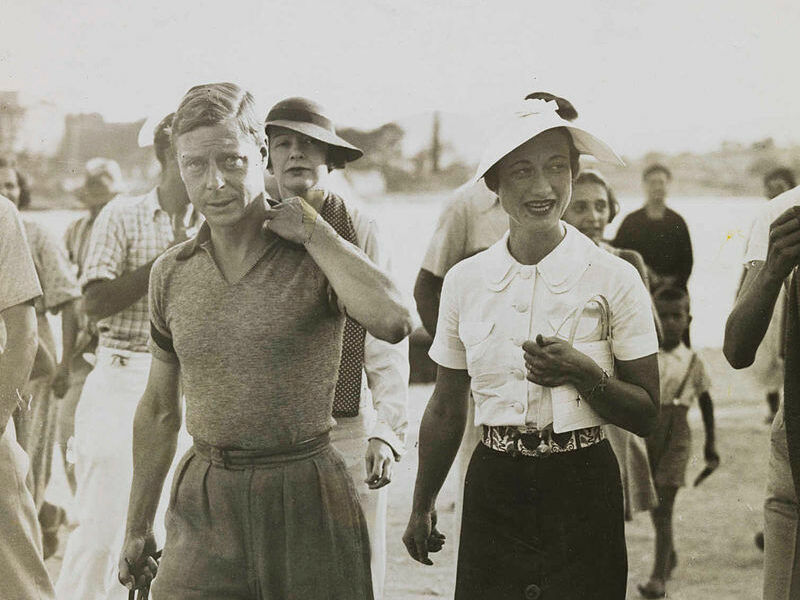
Showcasing expressions of love across social classes is a major theme of the exhibition. An 1851 petition written by an unemployed, 71-year-old weaver named Daniel Rush urges officials not to separate him from his wife by placing them in different workhouses. The document is displayed next to the Instrument of Abdication of Edward VIII, who relinquished the throne in 1936 so that he could marry Wallis Simpson, an American woman who had previously divorced.
Not every artifact in the exhibition swells with romantic love. For example, a large collection of letters written by members of the public defend Ira Aldridge, a playwright and early Black Shakespearean actor, who faced racism throughout his career. Another exhibit is Jane Austen’s will, handwritten in 1817, bequeathing all her possessions to her beloved sister, Cassandra. It gives a fascinating insight into the author’s familial relationships.
All images courtesy of The National Archives (UK) and Wikipedia


