
Paul Durand-Ruel: Saviour of The Impressionists
Paintings from the collection of Paul Durand-Ruel, the 19th-century aesthete who believed in the Impressionist movement when nobody else did, are heading to auction next month in what is expected to be a blockbuster sale.
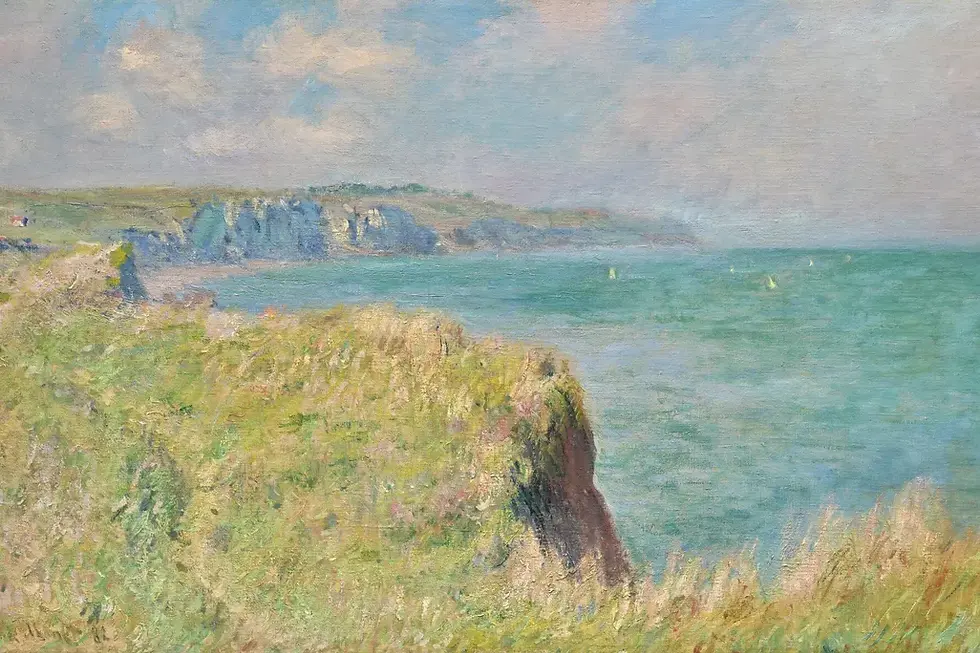
“Without Durand, we would all have starved, we Impressionists. We owe him everything,” Monet said in 1924. “He persisted, he fought relentlessly, and he risked bankruptcy 20 times over to support us. The critics dragged us through the mud, but for him it was even worse! People wrote: these artists are mad, but there is someone even madder than they are, a dealer who buys their work!”
In the latter half of the 19th century, in Impressionism’s early days, the school was subject to mockery and ridicule across Europe. But Durand-Ruel, in a semi-philanthropic way, refused to yield to this relentless negative public sentiment. An entrepreneur from a wealthy family, he made it his mission to find an audience who would also appreciate the unheard-of artists whose canvases he so admired. At great personal cost, he spent years providing artists with stipends and funding failing exhibitions. He even bid on and bought paintings from the very artists he funded.
Pissarro's Le Louvre, soleil d’hiver, matin (1900) Renoir's Jeunes filles au bord de la mer (1894) Sisley's La route du Coeur-Volant en hiver, Louveciennes, 1872
Click to expand | All images credit: Christie's
Now, Durand-Ruel is set to have the last laugh. Rarely viewed paintings by Monet, Pissarro, Renoir, Sisley and others - 62 works in all - are expected to fetch up to $50 million. The Christie's auction will be staged during Paris Art Week in late October.
“The sale Durand-Ruel, Generations of Vision thus offers a vivid testament to a family, artistic and human adventure that elevated the Impressionists from misunderstood artists to universal icons and helped permanently transform the course of art history,” a Christie’s statement reads.

