
Voyager 2 Gets a 'Big Bang' Moment
Voyager 2 is hurtling through space about 13.3 billion miles (21.4 billion km) from Earth, and NASA engineers have just performed a maneuver to keep the power flowing on the 49-year-old spacecraft.
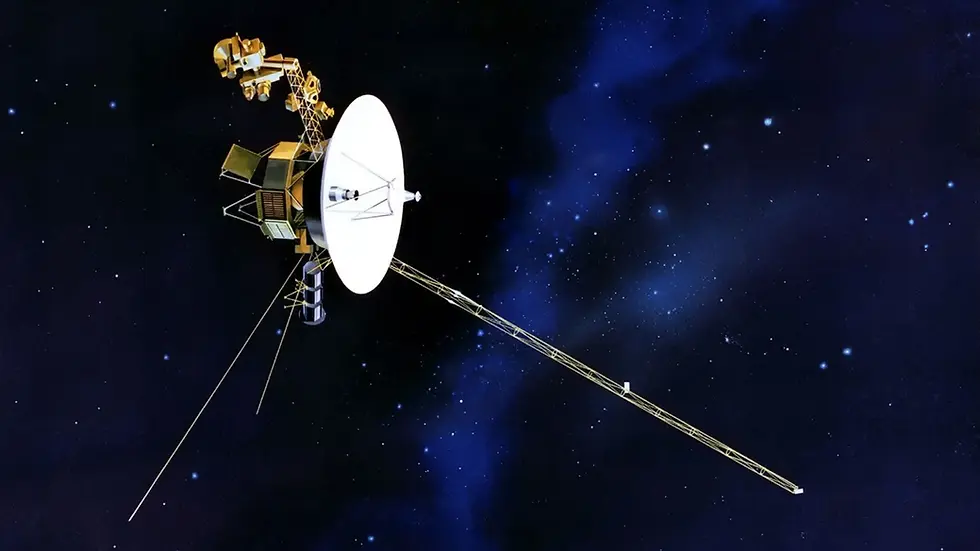
Voyager 2 recently experienced its own 'Big Bang' moment, allowing NASA scientists to squeeze a bit more life out of the intrepid space probe. The process involved powering off selected devices aboard the cosmic traveler, while simultaneously swapping them with less resource-hungry alternatives.
At the same time, mission specialists needed to make sure Voyager 2 stayed warm enough to avoid entering a permanent freeze. Not so easy when a radio signal takes about 19 hours and 48 minutes to travel to the spacecraft.
Both Voyager 1 and 2 have spent almost 49 years soaring through space. In the process, they’ve traveled further than any other human-made objects have ever gone before. Initially intended to provide never-before-glimpses of the outer planets, they have surprised researchers by continuing to send back remarkable data while sailing further into the unknown.
With the successful execution of NASA’s 'Big Bang' hack, Voyager 2 will save enough power to add another year of life to its remaining trio of programs. Given that Voyager 1 is farther away, engineers will next attempt a similar energy swap in the near future. If all goes as planned, it’s possible that at least one instrument aboard one or both of the historic explorers can continue communicating with humanity into the 2030s.
If nothing else, Voyager 2’s sibling is on track to pass a momentous milestone later this year. On 18 November 2026, Voyager 1 will officially have traveled 16,094,799,096 miles - or one light-day - from Earth. It’s a record distance that many of the spacecraft’s designers never imagined possible, and one that likely won’t be surpassed anytime soon.


