Why Does Japan Have More Centenarians Than Any Other Country?
There are 107,677 people in Japan who are currently aged 100 or older.
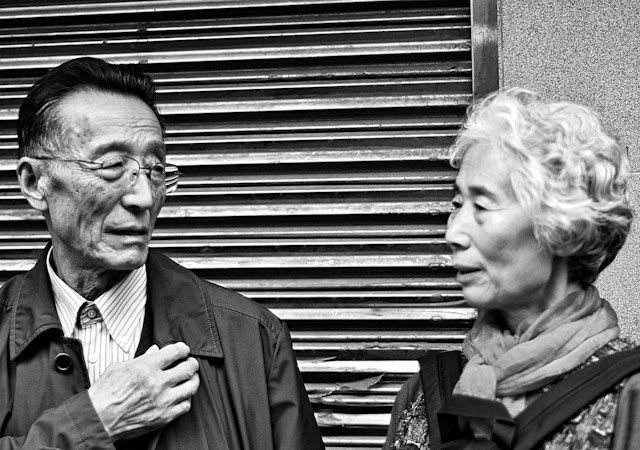
It is the first time that the country has crossed the 100,000 mark, according to recently released health ministry figures, and 88 percent of them are women.
The latest figures from Japan means that just under one percent (roughly 0.09 percent) of the nation are aged over 100 which, as a percentage of population, is three times higher than that of the USA and Australia, more than double Italy's, and four times higher than in the UK - despite the fact that the world's oldest person (Ethel Caterham, born in 1909) lives in England. How do the Japanese do it?
Diet and movement are the two factors cited most consistently. Japanese cuisine focuses heavily toward fish, vegetables, and rice, with less saturated fat than most Western diets. Older people in Japan also tend to stay physically active in ordinary ways: walking, cycling, using public transit, stretching. Not structured athletic activity, just daily motion sustained over decades.
Health Minister Kenichiro Ueno credited “progress in medicine and technology” alongside lifestyle. Japanese companies have developed assistive technologies for an older population, tools that help people with mobility and vision stay independent longer.
Japan celebrates 'Respect for the Aged Day' (Keirō no Hi) annually on the third Monday of September and those turning 100 receive a personal letter and a traditional sake cup from the prime minister. This year, there were a lot of letters to send.