Ensuring Industrial Safety Through Strategic Infrastructure
A sturdy business or industrial building is based on a proactive commitment to safety
and risk management. Companies that work in dangerous regions need to deal with
reliable fire equipment suppliers to make sure they are ready for any unexpected fires.
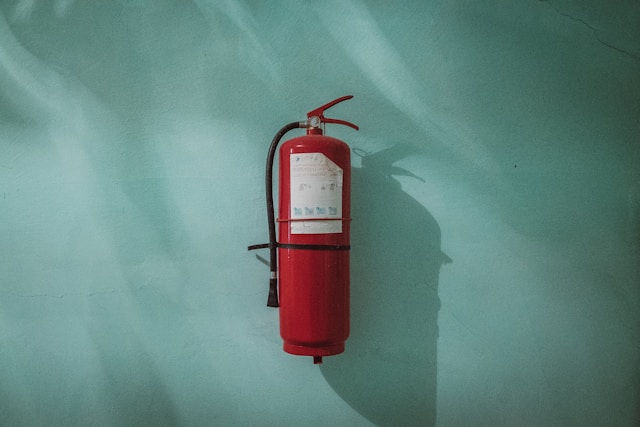
These specialized companies sell all the gear and software needed for detection,
suppression, and warning systems that are supposed to keep employees safe and
reduce damage. A firm may be sure that its people and physical assets are safe with
the greatest technology available in the modern safety industry. This includes new
sprinkler arrays, high-performance extinguishers, and complicated alarm networks.
Designing Advanced Suppression Systems: Fire safety has changed over time, evolving from reactive strategies to highly constructed, self-contained systems that kick on as soon as there is a sign of fire. For instance, clean agent suppression systems put out fires without using water or anything that conducts electricity. This protects sensitive electronic regions like
telecommunications hubs and data centers. These devices use some gasses to stop a
fire's chemical reaction at the molecular level. This means that vital infrastructure can
keep running even after a discharge. The consultation step of procurement is just as
important as the installation itself. You need to know a lot about the different fuel
sources in a building in order to choose the right chemical to put out the fire.
Technology for Early Warning and Detection Networks: The success of any suppression operation hinges on how fast and accurately the first detection is made. Since the days of simple smoke ionization, sensor technology has come a long way. Now, multi-criteria detectors may check CO2 levels, infrared signals, and how much light is blocked all at once. This "smart" detection method lowers the odds of false alarms that cost a lot of money and provides you the accuracy you need to locate a fire that is smoldering before it turns into an open flame. These sensors relay real-time data to a central monitoring station, which makes it possible for an organized emergency response. This could prevent millions of dollars in damage to property by letting people act quickly.
The Cycle of Inspections and Following the Rules: One of the hardest things for business owners and facility managers to accomplish is figure out how to follow all of the safety rules in their province and country. It's not enough to just follow the rules once; you have to keep testing, labeling, and certifying that every portion of the system works when you need it to. You must regularly check the flow of the standpipes, the pressure of the portable units, and the batteries of the emergency lighting in order to maintain the building's life-safety permit active. To stay ahead of these bureaucratic demands, you need to keep detailed records and be ready to cooperate with competent technicians who can give you the paperwork you need for insurance and city audits.
Getting personnel trained and ready for crises: The best technical infrastructure won't work successfully if the people who use it don't know how to do it. As part of a complete safety plan, there should be frequent drills and hands-on training sessions that show personnel how to discover and operate manual pull stations and portable suppression gear. Knowing the many kinds of flames, like electrical, chemical, and combustible metals, is vital so that the correct way to put them out may be used straight away. This culture of readiness turns a passive installation of equipment into an active, life-saving network of people who are ready to act clearly under pressure.
Putting money into long-term resilience in a smart way: Getting the best safety infrastructure is a smart approach to put money into the future of the organization. A huge fire might cause a lot of downtime, harm your reputation beyond repair, and lose important data. Putting quality and dependability first in the first build-out and sticking to a strict schedule of expert oversight indicates that a company cares about doing things well and being responsible. A safety system that is properly certified and well-maintained is a priceless asset in a world full of unpredictability. It allows CEOs the peace of mind to focus on new ideas and expansion while knowing that their business's foundation is safe.