The Bed as Furniture: Why Looks And Function Both Matter
Beds occupy an unusual position in the household. They're the largest piece of furniture in most bedrooms, the most expensive item in many people's homes after the kitchen and sofa, and the object you spend more time using than any other thing you own.
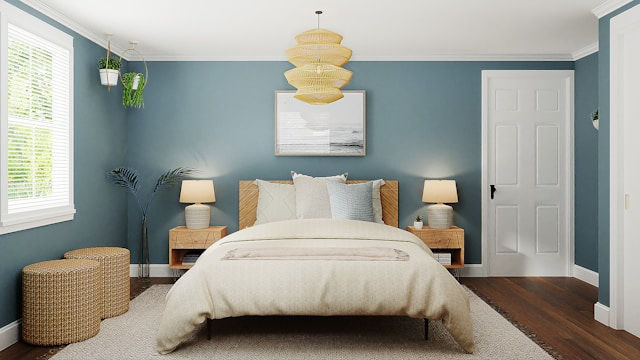
They're also one of the few furniture decisions that gets framed almost entirely in terms of function: how supportive, how comfortable, how good for sleep. The aesthetic dimension, how the bed looks, how it integrates with the room, how it ages visually, gets treated as secondary or even slightly frivolous. This framing is wrong, and not because looks should override function, but because the two aren't actually separable in the way the framing implies.
The False Dichotomy: The implied opposition between "comfortable" and "stylish" beds suggests that prioritising one means sacrificing the other, that choosing a beautiful bed means accepting worse sleep, or that choosing a supportive one means living with something ugly. This is rarely true at the level of decision-making most buyers face. Modern bed design has largely solved the problem of producing beds that work well and look good simultaneously. The trade-off, when there is one, is usually about price rather than form.
Where the dichotomy does hold, it usually points at edge cases: very budget beds that get the function right but the appearance wrong, or very fashion-driven designs that get the appearance right but compromise on construction. For most beds in the middle of the market, including most of the contemporary bed designs for home interiors you'd find through reputable sellers, the bed performs both as furniture and as a sleeping surface without significant compromise on either side.
What "Looks Right" Means For Beds: The aesthetic of a bed isn't just about whether it's pretty in isolation. It's about how the bed reads as part of the room, how it ages over years of use, and whether it continues to feel right as your taste and circumstances change. A bed that looks dramatic in a photograph but feels out of place in your actual bedroom isn't doing the aesthetic job, even if it photographs well. The most durable aesthetic choice for beds is usually understatement.
Beds that are too distinctive, that have unusual shapes, very strong colour choices, or trend-specific design elements, often look dated within a few years and harder to live with daily. Beds with classical proportions, neutral materials, and quiet construction tend to age better and integrate with whatever else changes in the bedroom over time. This isn't an argument for boring beds. It's an argument for beds where the aesthetic is good enough to support but not so loud that it dominates. The bed should make the room feel finished, not make the room feel like a stage for the bed.
The Material Question: What a bed is made of affects both how it looks and how it performs over time. Wooden frames, particularly solid hardwood, age beautifully when well-made and tend to develop character through use. Metal frames can be elegant or industrial depending on the design, and tend to look the same in year ten as they did in year one. Upholstered beds offer the most variety in appearance but require maintenance, since fabric inevitably accumulates wear in ways harder surfaces don't. Each material has functional implications too. Solid wood frames are typically heavier and more stable than alternatives. Metal frames are usually stable but can transmit movement more readily, which matters for couples. Upholstered headboards are comfortable for sitting up in bed but harder to clean than wooden ones.
The cost-quality relationship varies by material. Cheap wood frames are often made from low-quality wood with veneer surfaces that fail at the edges within a few years; quality wood frames last decades. Cheap metal frames can be unstable and prone to creaking; quality metal frames are bombproof. Cheap upholstered beds use thin foam over basic frames; quality upholstered beds have proper internal structure and serviceable fabric.
The functional and aesthetic decisions tend to align: a well-made bed in a quality material both performs better and looks better than a cheaper alternative in the same style. Spending on quality construction generally rewards both dimensions.
How Bedrooms Get Used Beyond Sleep: The bed is the obvious centrepiece for sleeping, but most bedrooms get used for more than just sleep. Reading, working from bed when ill, watching films, conversations with partners, time with children or pets, none of these are the bed's primary purpose, but all of them happen on the bed regularly. A bed that supports these secondary uses is more functional in the broader sense than one that only handles sleep well. Headboards that are comfortable to lean against extend the bed's usefulness beyond sleeping. Beds at the right height for sitting on the edge make getting in and out of bed easier and make the bed itself useful as casual seating. Bedside surfaces accessible from bed make the bed work as a reading nook.
This broader functionality is partly aesthetic, partly ergonomic. A bed that looks designed for actual life rather than just for sleep tends to be more useful in actual life. The bed-as-furniture conception captures this; the bed-as-sleep-surface conception misses it.
The Couple Negotiation: Beds chosen by couples have to navigate two sets of preferences, often without explicit discussion. One person might care more about how the bed looks; the other might care more about how it sleeps. The compromise that produces well-functioning bedrooms is usually one where neither dimension is sacrificed entirely. If the function-prioritising partner buys the bed unilaterally, the room often ends up with a bed that's comfortable but visually awkward, which the aesthetic-prioritising partner tolerates without enthusiasm. If the aesthetic-prioritising partner buys unilaterally, the bed might look great but sleep poorly, which produces complaints about back pain and mattress quality that no amount of styling can address.
The constructive approach is to acknowledge both dimensions explicitly and select beds that handle both. Most modern bed manufacturers produce ranges that cover the spectrum: the same supportive construction available in different aesthetic styles, or the same aesthetic look available in different mattress configurations. Choosing within the range that suits both partners is usually possible without either person settling.
The Underrated Headboard: Among bed components, the headboard does more aesthetic work than its sleeping function suggests. It's the part of the bed most visible when entering the room, the part that defines the bed's visual character, and the part that interacts most with the wall behind it. A good headboard makes a bed feel anchored and intentional. A poor or absent headboard often makes a bed look temporary, like the room is still being set up. This is true even in otherwise well-decorated rooms; the absence of a proper headboard creates an unfinished quality that's hard to compensate for elsewhere.
Headboards also have ergonomic implications. People who read or sit up in bed regularly benefit from headboards that support comfortable positioning. Padded or upholstered headboards are more comfortable for this; flat wooden ones can be hard to lean against for long periods. The headboard choice should reflect how the bed actually gets used, not just how it photographs.
The Bed As Long-Term Investment: A good bed lasts ten to twenty years. The aesthetic choice you make on a bed will live with you across changes of partner, redecoration cycles, possibly multiple homes. This favours choices that are versatile rather than highly specific to current circumstances. A bed that fits the current bedroom perfectly might not fit the next one. A bed that suits current taste might not suit later taste. A bed that works for a couple might not work after a separation, or after children change household dynamics. None of this means avoiding personal choice, but it suggests that the more universally appealing aesthetic options often serve longer than the more idiosyncratic ones. This is parallel to how clothing buying works. The pieces that get worn most over years tend to be the more classical ones; the trend-specific pieces wear out their welcome before they wear out physically. Beds follow similar logic, but with longer time scales and higher purchase costs, which makes the durability of the aesthetic choice more consequential.
The Working Principle: The bed should function well as a sleeping surface, function well as a piece of furniture, and look right in your home for a long time. None of these are negotiable in favour of the others; all three matter and all three need to be addressed in the buying decision. This sounds like an obvious framing and somehow isn't how most beds get bought. The function-only buyer overlooks aesthetic durability. The aesthetic-only buyer overlooks structural quality. The compromise-driven buyer ends up with something that handles all three dimensions adequately, which is the actual goal. For most people, the practical version of this is taking the bed buying decision more seriously than the standard "find a mattress, pick any frame" approach allows. The frame and the mattress together are the bed; both deserve consideration as parts of a unified furniture decision rather than as a primary purchase and an afterthought.