
Wildlife & Conservation Good News in June 2026
Quick synopsis of all the best stories of the month.

Conservation Success: In an important milestone for the conservation of the Sumatran tiger subspecies, three cubs (pictured) have been born at a zoo in England. Howletts Wild Animal Park said the cubs’ births represent a crucial step forward for the conservation of this cat beyond its natural habitat.
Mangrove Forests Are Making a Remarkable Comeback: Mangroves are one of the world's unsung environmental heroes, so it's very good news that they are staging an unexpected revival.
First For 122 Years: More than a century after California condors disappeared from Oregon, one bird’s journey signals progress for the endangered species, after a California condor recently flew into Oregon, becoming the first free-flying condor documented in the state since 1904.
Przewalski’s Horses: World's last truly wild horses are roaming the Kazakh Steppes again
A Good Year: This year’s calving season along the southeast coastline of America has resulted in the most North Atlantic right whale calves since 2009, thanks to diligent conservation efforts. 23 calves were born during the 2026 calving season and, of these, 20 were returning moms.
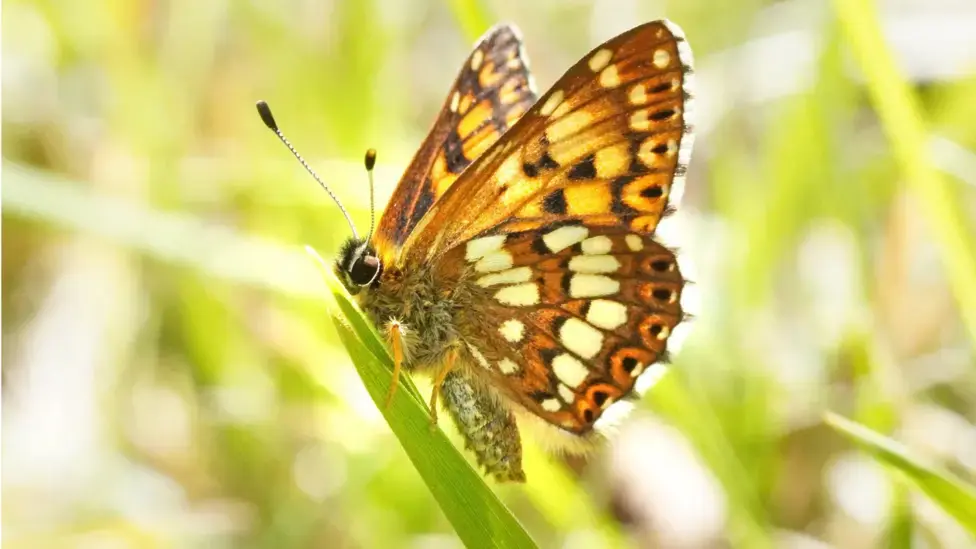
Remarkable Recovery: The population of a rare Duke of Burgundy butterflies has increased by more than 90 times in Kent (south east England) over two decades.
Legal Rights For River: Britain’s River Wye has been granted legal rights in landmark move, recognising the river’s entire 130 mile catchment as a living ecosystem with rights to flow, regenerate, support biodiversity and be represented in decision-making.
Namibia to Conserve a Quarter of Its Country: Sparsely populated and rich in wildlife, this arid country has emerged as an oasis of community-led conservation that puts management in the hands of rural people.
Ecological Boosts: New analysis shows that a record-breaking 602 dams were removed across Europe in 2025, up 11 percent from the previous year and part of a larger, global trend to restore rivers and allow the surrounding ecosystem and wildlife to thrive.
Doing Good: An Australian billionaire and his wife are turning 17,000 acres of former cattle and logging land into a massive sanctuary for wildlife, creating a safe haven for koalas, gliders, rainforest species, and other threatened animals in one of the country’s most beautiful mountain regions: Australia’s Great Dividing Range.

Vast New Reserve: French Polynesia has made one of the single biggest contributions to ocean protection ever after its government announced a new marine reserve the size of France. Some 200,000 sq miles of ocean surrounding the Austral and Marquesas Islands - two of the most biologically rich archipelagos on Earth - will receive the highest level of protection.
Cozumel’s Elusive Dwarf Fox: It's one of the rarest canids in the world, and nobody had seen the creatures in more than two decades. It has now been photographed for the first time and looks set to be properly researched and documented in an effort to support this creature (roughly the size of a small house cat) and to ensure its survival.
Effective Solution: To block illegal bottom trawlers, Cambodia is building concrete towers. It’s very clever: three-tonne underwater concrete towers disable trawl nets while creating shelter and nursery space for fish. An NGO has now deployed 1,250 of these ‘Fishery Productivity Structures’ across its southern coast, protecting 80 square miles of habitat. Early monitoring found fish abundance six times higher at protected sites than control areas.
Beavers Stop Tube Floods: Until two years ago, West London’s Greenford Tube station used to flood whenever it rained heavily. Then, 5 beavers were introduced nearby. After the beavers felled a few trees and built a dam to make a pond from the golf course creek, flooding stopped at the tube station, and new species started moving in. Watch news video
Beefing Up Tracking: Colombia has passed a cattle traceability law to stop beef linked to illegal deforestation from entering supply chains. The law lets officials create high-surveillance zones in deforestation hotspots, track cattle movements, and require slaughterhouses, traders and exporters to adopt due diligence systems within two years.


